
Today I’m sharing a guest post that dives into one of the most common design questions: how to choose a rug that actually works with your walls and furniture. If you’ve ever stared at a room that felt almost finished, this one’s for you!
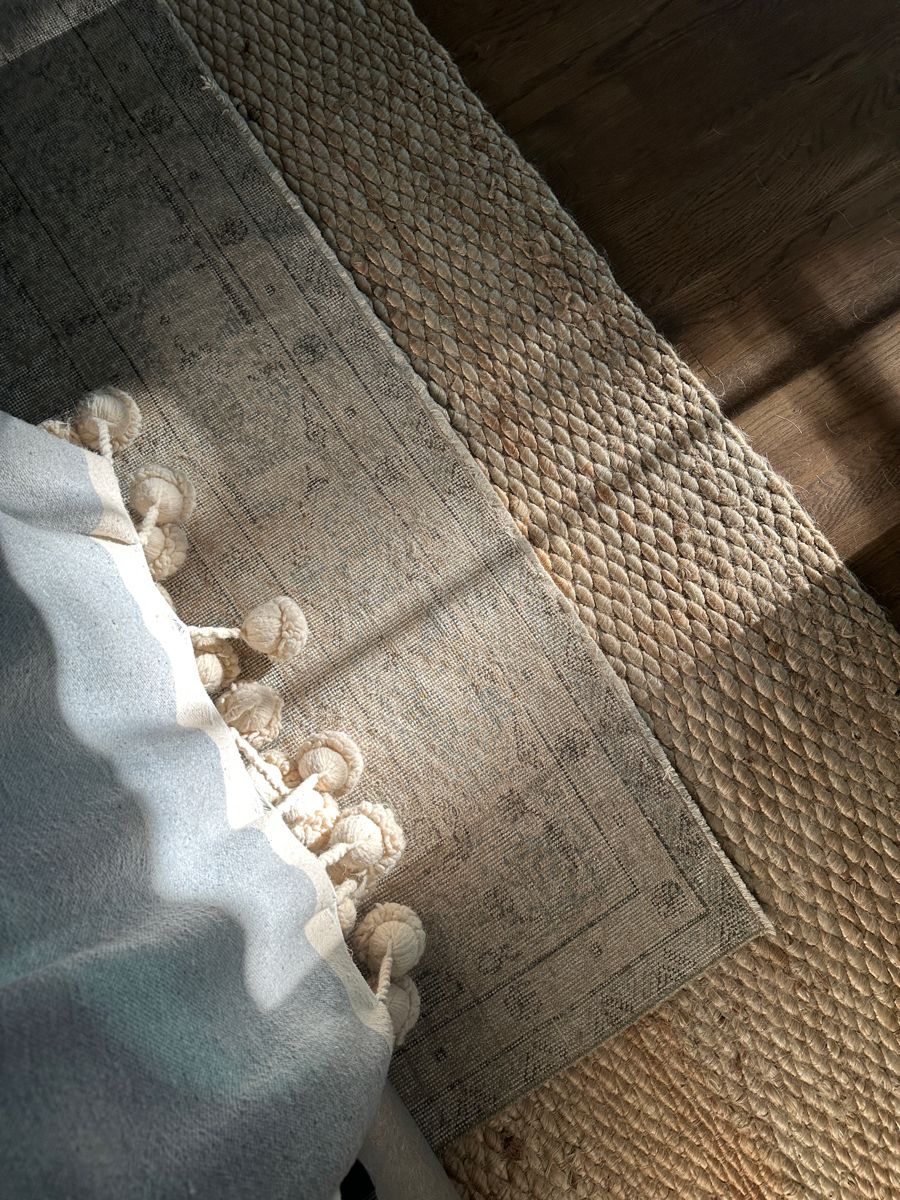
How to Match Rugs With Wall Colour and Furniture
Most people reach a certain point after staring at a room that feels almost right: the walls look good. The furniture works. Still, something feels unfinished. The missing piece is almost always the rug. It’s also the part that brings the most hesitation.
When learning how to match rugs with wall colour and furniture, the goal is to make the space feel settled and lived in, without looking careless. This guide walks you through exactly how to do that.
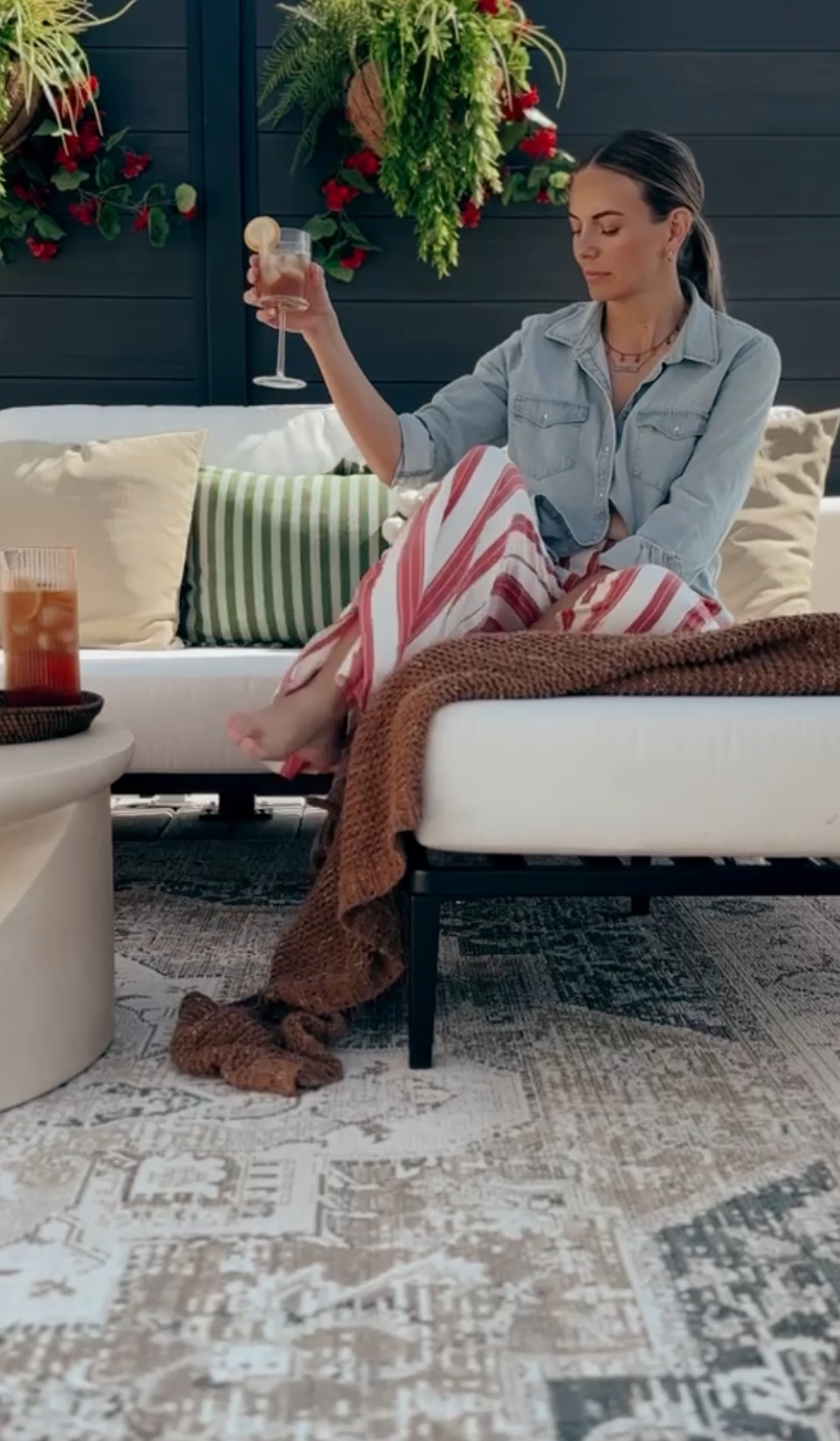
Why Your Rug Choice Starts With How You Live
Before pulling out colour samples and measuring tape, it helps to think about daily life at home. Rugs take more wear than most surfaces. Shoes land there. Pets nap there. Spills happen there.
Over time, dust and grit settle deep into the fibres, especially in high-traffic areas. That reality affects colour decisions more than people expect. Lighter rugs can work beautifully, but only when cleaning feels manageable. Over time, dust and grit collect deep in the fibres, especially in high-traffic areas. Regular vacuuming helps, but deeper cleaning keeps rugs from dulling or flattening out. For many homes, working with a trusted carpet cleaning company becomes part of owning rugs that still look good years later.
Start With The Fixed Pieces
Walls and large furniture pieces set the boundaries of a room. Paint colour, sofa upholstery, wood tones, and built-ins rarely change, so the rug needs to work with what’s already in place.
Wall colour makes more sense when broken down into undertone and depth rather than whatever name is printed on the paint can. A grey wall might lean blue, green, or beige underneath. That undertone will either support or clash with a rug choice.
Furniture adds another layer. A charcoal sofa reads differently beside warm wood than it does next to black metal. The rug can soften that contrast or sharpen it.
Looking for shared undertones instead of perfect matches usually creates a calmer result. A rug that quietly echoes something already in the room tends to feel intentional rather than accidental.
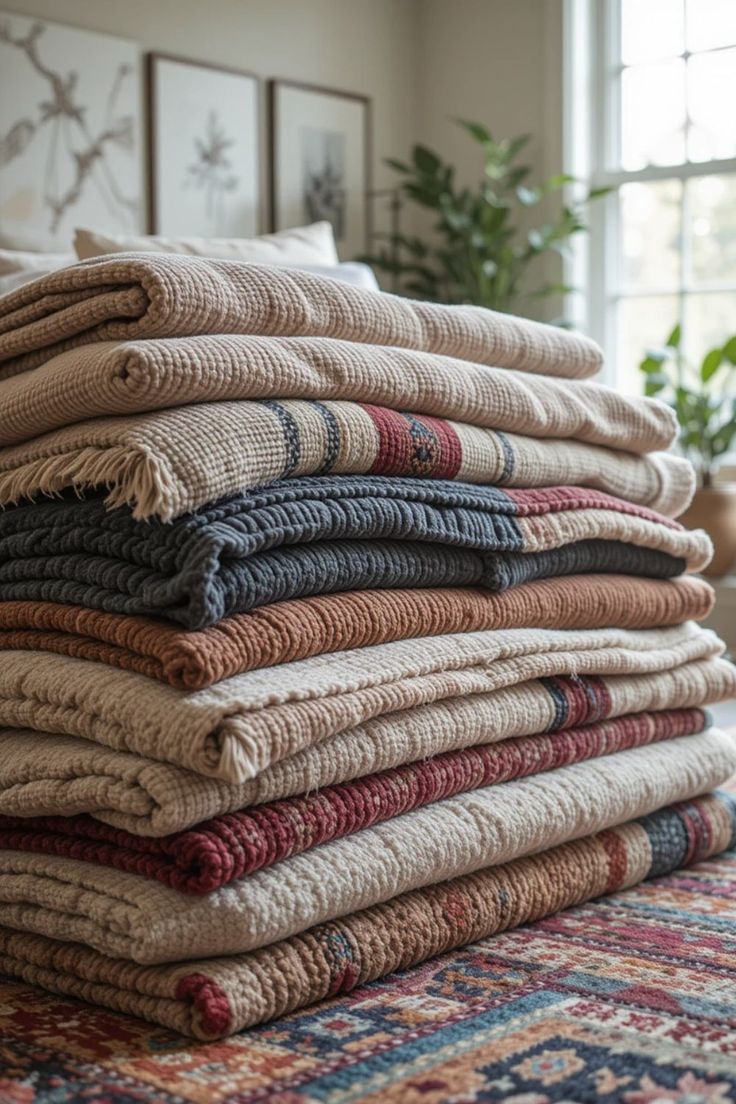
Rug Colour Coordination Tips
There are a few common approaches to matching rugs with wall colours.
Some rooms lean tonal. Walls, furniture, and rugs stay within a similar colour family but shift in depth. This creates a calm, layered look that works especially well in spaces meant for rest.
Other rooms rely on contrast. Light walls paired with darker rugs help ground the furniture. Dark walls combined with lighter rugs keep the space from feeling too heavy.
A third approach blends several elements. The rug may pull from the wall’s undertone, reference the wood finish, and repeat a small accent colour elsewhere in the room. This works well in spaces with mixed furniture styles.
Lighting And Colour Perception
Colour relationships don’t stay static once the rug is down. Light shifts how tones register, especially in rooms built around subtle contrast or layered neutrals. A rug that feels balanced beside the wall in the afternoon can appear cooler or deeper by evening.
A Practical Colour Pairing Guide
The combinations below offer direction without locking you into a formula:
|
Wall Colour |
Furniture Finish |
Rug Direction |
Visual Effect |
|
Warm white, cream |
Light oak, maple |
Warm beige, soft greys |
Keeps the room light while adding definition |
|
Cool white, pale grey |
Black metal, chrome |
Charcoal, slate |
Grounds the space without harsh contrast |
|
Greige, taupe |
Walnut, mid tone woods |
Olive, muted taupe |
Connects warm undertones naturally |
|
Deep navy, charcoal |
Mixed woods |
Light neutral |
Balances depth and brightness |
Use these as starting points, then adjust based on light and texture.
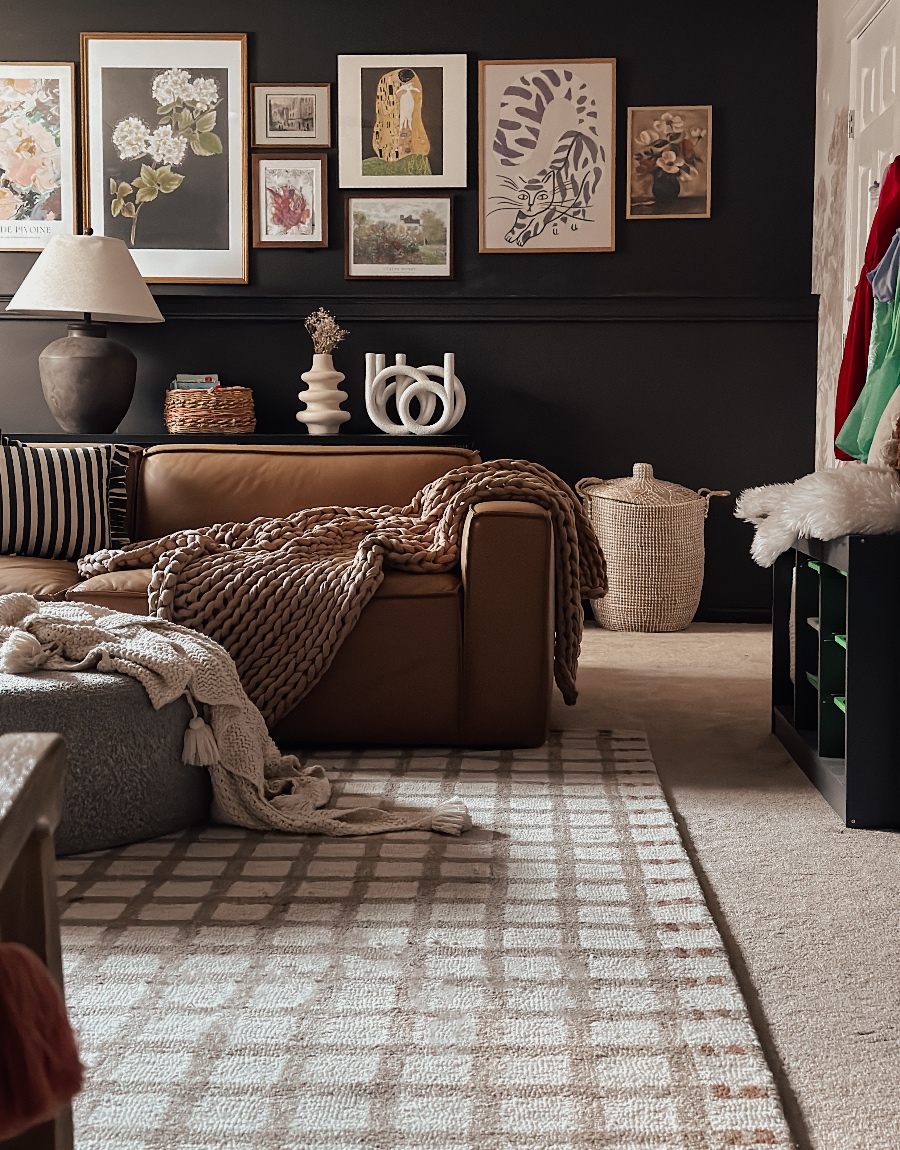
Size And Placement In Living Rooms
Rug size affects how furniture relates to one another. For example, a favourite rug that floats only under a coffee table often makes the seating feel disconnected. A better approach is to place at least the front legs of sofas and chairs on the rug.
When learning how to choose rugs for living rooms, measure the seating area first, then size up rather than down. Leaving a visible border of floor between the rug edge and the wall helps the room feel balanced and gives it space to breathe.
Open-concept layouts need a bit of extra attention. A bold living room rug can sit comfortably beside quieter rugs nearby when the palette stays consistent and the pattern scale shifts. Seeing real spaces makes this easier to picture.
Pattern and texture add depth, but they need balance to avoid clutter. These guidelines help keep things steady:
● Bold upholstery pairs better with simpler rugs or small-scale patterns
● Solid furniture leaves more room for stronger rug designs
● Mixing patterns works best when the scale changes and colours repeat
● Wool and matte fibres tend to feel softer than shiny synthetics
Rug Care And Maintenance Over Time
Living with a rug often changes how you feel about colour. Dark rugs hide wear but tend to show lint. Light rugs brighten a room but require more upkeep.
Regular vacuuming removes surface debris, but deeper cleaning helps keep fibres from breaking down. High-traffic areas need more attention, especially in family homes. Health Canada notes that regular cleaning helps reduce indoor pollutants and supports healthier indoor air quality, which adds another practical reason to stay consistent with care.
This kind of planning pays off over time. A rug chosen with care tends to last, both visually and structurally.
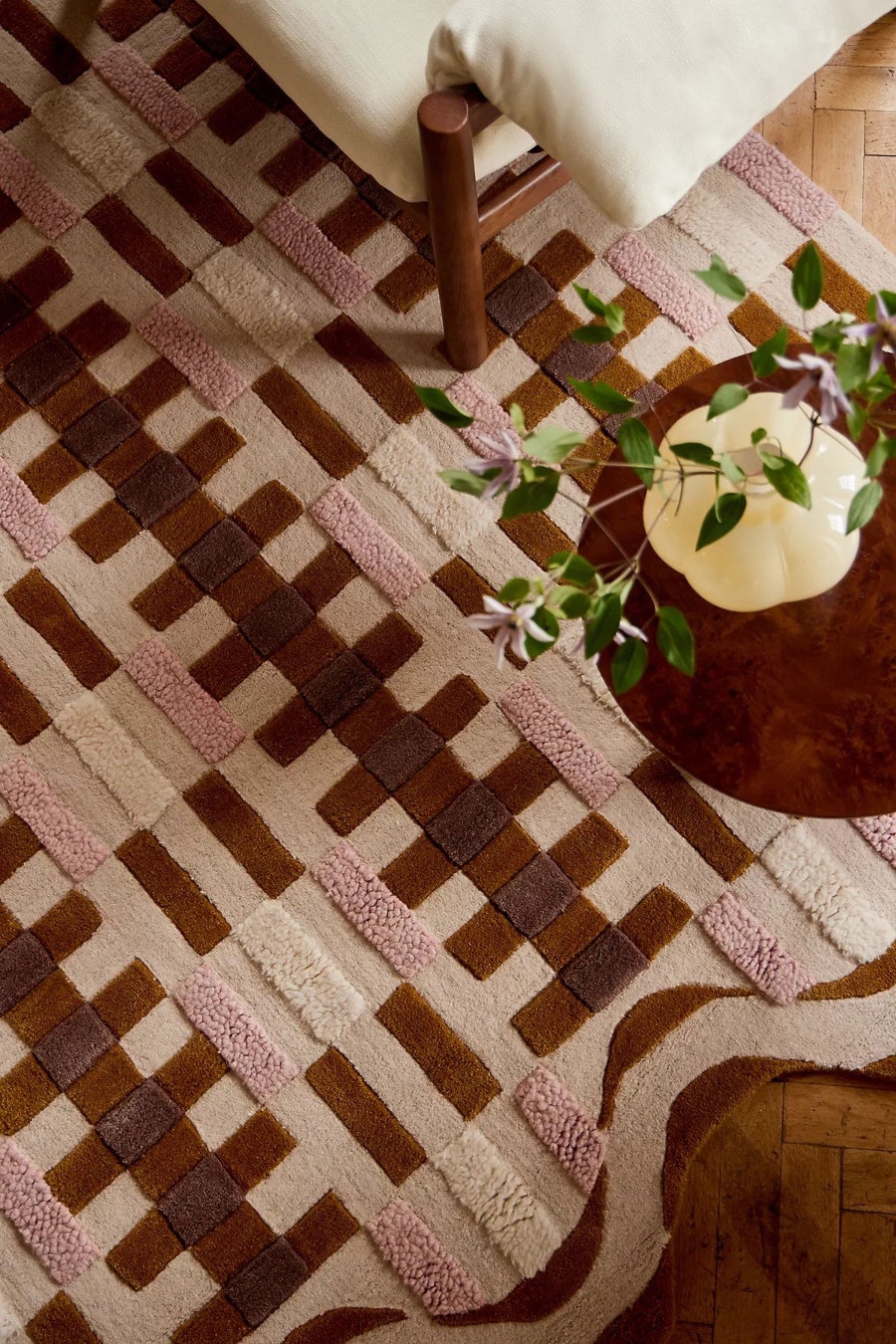
Bringing Everything Together
Step back once the rug is in place. Look at the room as a whole rather than focusing on any single element. Walls, furniture, and flooring should feel connected rather than competing.
Small adjustments can help. A cushion that repeats a colour from the rug. A throw that softens contrast. These quiet details help pull the space together.
The Blush Home’s Final Thoughts…
Choosing the right rug can feel surprisingly complicated, but small decisions make a big difference. Colour, size, and placement all work together to shape how a room feels.
Whether you’re refreshing a space or finishing a room that almost feels complete, taking the time to choose the right rug helps everything else fall into place.
Thanks for reading!
Megan xx

1 Comment
This is a fantastic guide! Choosing the right rug from a collection of rugs, whether textured rugs or boho style rugs, can really tie a room together. The right piece adds warmth, personality, and style while perfectly complementing your walls and furniture. You can explore some beautiful options here too: https://loopsbylj.com/